
Menu & Costs
Understanding Food Costs and Menu Profitability
How recipe costing, portion control and menu mix shape the profitability of an F&B outlet.
Draft prepared · 2 min read
Editorial draft — not yet reviewed for publication
This general guide is for information only and is not professional, legal or financial advice. Always confirm current requirements with the relevant authorities.
- Optionally add a worked example using illustrative (clearly labelled) numbers.
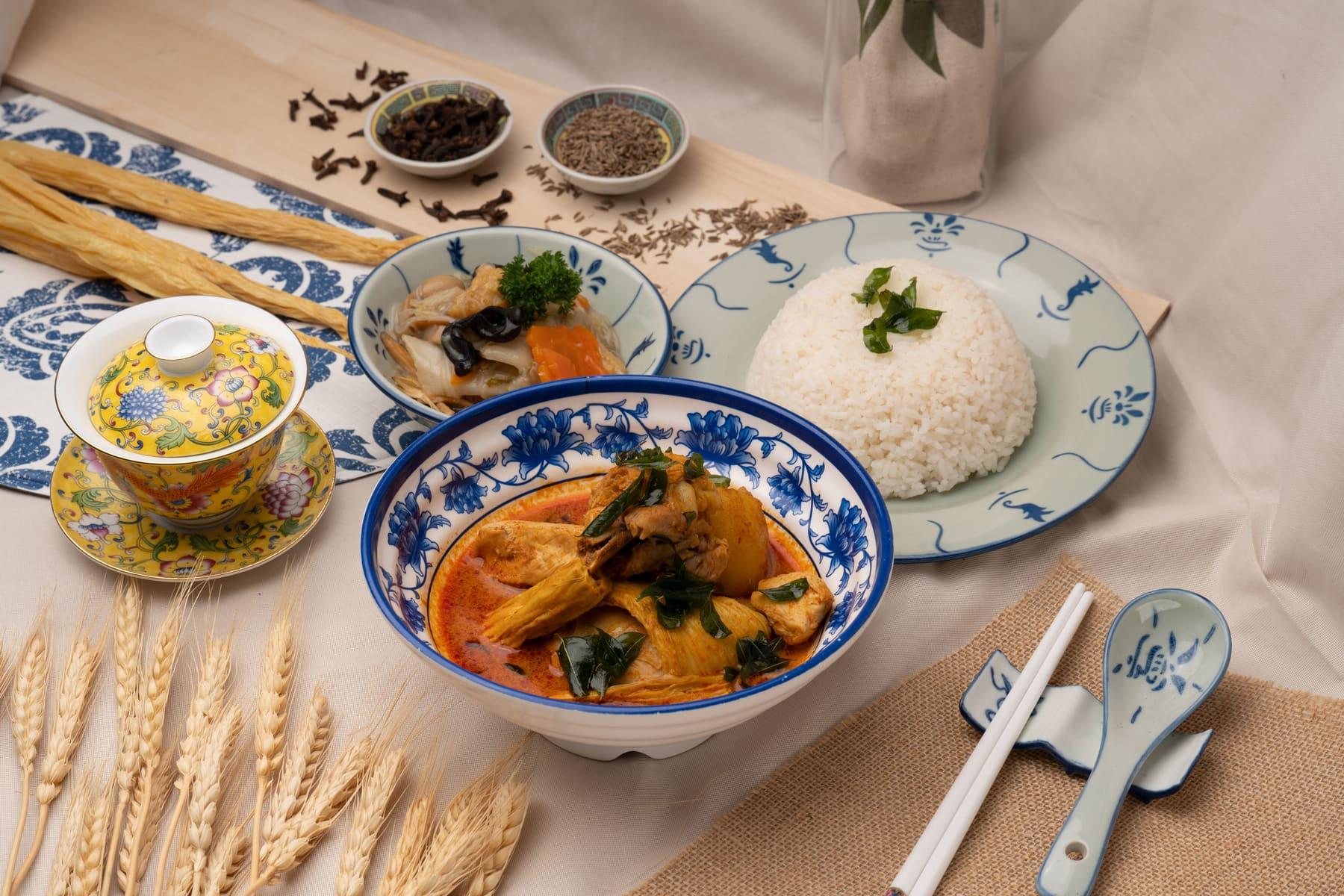
Two outlets can sell the same number of meals at similar prices and end up with very different results. Often the difference lies in how well they understand the cost of each dish and how the menu is structured.
Cost every recipe
A recipe cost is the total cost of all ingredients in one portion, including garnishes, sauces and packaging for takeaway. To calculate it properly:
- Write down every ingredient and the exact quantity used per portion.
- Use the usable yield — the amount left after trimming, peeling or cooking loss — not the purchased weight.
- Update costs when supplier prices change.
The food cost percentage is the recipe cost divided by the selling price (before tax). It is a useful guide, but it is not the whole story.
Look at contribution, not only percentages
A dish with a higher food cost percentage can still earn more money per sale than a "cheaper" dish if its selling price is higher. Looking at contribution — the selling price minus the recipe cost — alongside the percentage gives a clearer picture of which items really support the business.
Portion control and consistency
A recipe cost is only accurate if the kitchen follows it. Standard portion sizes, measuring tools, plating guides and training all help. Small, repeated over-portioning adds up over thousands of plates.
Menu mix and engineering
Menu engineering means reviewing each item by how popular it is and how much it contributes, then deciding what to promote, reprice, rework or remove. Common outcomes include:
- Giving high-contribution, popular dishes the best positions on the menu.
- Reworking popular dishes that earn little.
- Removing items that are neither popular nor profitable, which also simplifies the kitchen.
Ingredient overlap
Menus that share ingredients across dishes tend to have less waste, simpler ordering and faster prep. When you add a new item, ask how many existing ingredients it uses.
Review regularly
Supplier prices, customer preferences and sales patterns all change. A menu review every few months keeps costing accurate and the menu focused.
How we can help
Menu engineering and recipe costing are part of our Setup and Operations services.